Islamic Architecture Vector Set with Mos: A Practical Guide for Designers and Creators
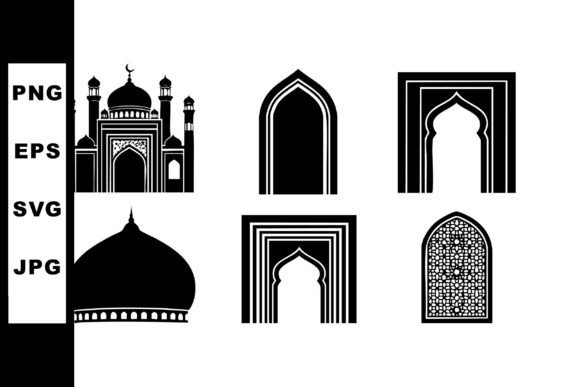
In the realm of digital design, authenticity and cultural sensitivity are paramount, especially when working with religious or heritage-themed projects. The Islamic Architecture Vector Set with Mos has emerged as a valuable resource for graphic designers, architects, educators, and content creators who require high-quality, scalable imagery of Islamic structures. This collection typically features black silhouettes of iconic mosque architecture, including intricate domes, pointed arches, minarets, and traditional decorative patterns. Its elegance and clarity make it suitable for a wide range of applications, from educational materials to branding for cultural events.
However, selecting the right visual assets involves more than just aesthetic preference. Designers must consider file formats, scalability, customization potential, and licensing terms. This article explores the distinct features of this vector set, compares it with alternative resources, and provides a framework for deciding whether it aligns with your specific project needs.
Understanding the Core Features and Format Versatility
The primary appeal of the Islamic Architecture Vector Set with Mos lies in its format flexibility. The downloadable ZIP archive usually includes SVG, EPS, JPG, and PNG files. Each format serves a distinct purpose in the design workflow, and understanding these differences is crucial for maximizing the utility of the asset pack.
- SVG (Scalable Vector Graphics): Ideal for web design and modern UI/UX projects. SVGs remain crisp at any resolution, ensuring that the delicate lines of Islamic geometric patterns do not pixelate on high-density screens.
- EPS (Encapsulated PostScript): The standard for professional print design. If you are creating large-format banners, brochures, or signage, EPS files allow for infinite scaling without loss of quality, which is essential for maintaining the integrity of architectural details.
- PNG (Portable Network Graphics): Useful for quick composites where transparency is needed. While not scalable like vectors, PNGs are ready-to-use for social media graphics or presentations where editing is not required.
- JPG (Joint Photographic Experts Group): Best for previewing or using in documents where file size is a concern and transparency is not needed.
The inclusion of black silhouettes offers a minimalist aesthetic that is both modern and timeless. This style allows designers to overlay the images on various backgrounds, apply color fills, or use them as masks for photographic content. The clarity of the silhouettes ensures that the recognizable profiles of mosques—such as the bulbous domes of Ottoman architecture or the slender minarets of Mughal styles—are instantly identifiable.
Comparing Vector Silhouettes with Photographic and Illustrated Alternatives
When sourcing visuals for Islamic themes, designers often choose between photographic stock images, detailed illustrations, and vector silhouettes. Each approach has tradeoffs regarding usability, emotional impact, and technical requirements.
Photographic Stock Images
Photographs offer realism and atmospheric depth, capturing the texture of stone, the play of light, and the bustling activity around a mosque. However, they are often difficult to integrate into clean, minimalist layouts. Photos may require significant editing to remove distractions, adjust lighting, or isolate subjects. Furthermore, using photographs of religious sites can sometimes raise ethical or cultural concerns if the context is not respectful or if the image includes people in sensitive areas. In contrast, the Islamic Architecture Vector Set with Mos provides an abstract, respectful representation that focuses on architectural form rather than transient human activity.
Detailed Color Illustrations
Hand-drawn or digitally painted illustrations can convey warmth and artistic flair. They are excellent for children’s books or lifestyle branding. Yet, they often lack the neutrality required for corporate or formal educational contexts. Color palettes in illustrations may clash with existing brand guidelines, requiring extensive recoloring. Vector silhouettes, being monochromatic by default, offer a neutral canvas that can be easily adapted to any color scheme without losing structural integrity.
Generic Icon Packs
Many general icon libraries include simple mosque symbols. While convenient, these often lack architectural accuracy and cultural nuance. They may mix styles from different regions indiscriminately, leading to historical inaccuracies. The specialized nature of the Islamic Architecture Vector Set with Mos suggests a higher level of attention to architectural details, such as the specific curvature of domes or the arrangement of arches, making it a better choice for projects where cultural authenticity matters.
Evaluating Strengths and Limitations for Different Use Cases
No single resource fits every project. Understanding the strengths and limitations of this vector set helps in making an informed decision.
Best-Fit Situations
- Educational Materials: Textbooks, e-learning modules, and infographics benefit from clear, distraction-free visuals. The black silhouettes allow students to focus on structural elements without the noise of complex textures.
- Event Branding: For Ramadan, Eid, or Islamic heritage festivals, these vectors can be used to create cohesive visual identities across posters, social media posts, and merchandise. The scalability ensures consistency from small business cards to large stage backdrops.
- Web and App Interfaces: SVG files are lightweight and load quickly, improving user experience. They can be animated via CSS or JavaScript to create engaging interactive elements, such as a mosque silhouette that lights up upon user interaction.
- Architectural Presentations: Architects and urban planners can use these silhouettes as contextual elements in site plans or elevation drawings to indicate nearby landmarks without dominating the primary design.
Potential Limitations
While versatile, vector silhouettes have inherent constraints. They do not convey texture, materiality, or three-dimensional depth. If a project requires a realistic depiction of a specific historic mosque, such as the Hagia Sophia or the Alhambra, a generic silhouette may not suffice. In such cases, custom illustration or high-resolution photography might be necessary. Additionally, because the set relies on black shapes, intricate internal details may be lost if the silhouette is scaled down too small. Designers must test legibility at intended sizes to ensure that decorative patterns remain visible.
Decision Factors: When to Choose This Vector Set
Choosing the right asset depends on several key factors: project scope, technical skills, budget, and cultural considerations.
Technical Skill Level: If you are comfortable with vector editing software like Adobe Illustrator or Inkscape, the EPS and SVG files in the Islamic Architecture Vector Set with Mos offer maximum flexibility. You can modify shapes, combine elements, or extract specific patterns. If you lack vector editing skills, the included PNG and JPG files provide a plug-and-play solution, though with less customization potential.
Budget and Efficiency: Commissioning custom illustrations is time-consuming and expensive. Purchasing a pre-made vector set is a cost-effective alternative that saves hours of drafting time. For freelancers and small agencies, this efficiency gain often outweighs the desire for bespoke artwork, especially for secondary design elements.
Cultural Sensitivity and Abstraction: Using abstract silhouettes can be a respectful way to represent religious architecture without appropriating sacred spaces. It avoids the risk of misrepresenting specific sites or using images that may have controversial provenance. For organizations aiming for inclusivity and respect, this abstract approach is often preferred over realistic depictions.
Integrating the Vector Set into Your Workflow
To get the most out of the Islamic Architecture Vector Set with Mos, consider these practical tips:
- Layering and Depth: Combine multiple silhouettes with varying opacity levels to create a sense of depth. Place a darker foreground silhouette against a lighter background one to mimic atmospheric perspective.
- Color Adaptation: Do not limit yourself to black. Use brand colors or thematic palettes to tint the vectors. For example, deep blues and golds can evoke a night-time spiritual ambiance, while earth tones can suggest historical heritage.
- Pattern Extraction: If the set includes decorative patterns, isolate these elements to use as borders, backgrounds, or textures. This adds visual interest without overwhelming the main content.
- Consistency Check: Ensure that the architectural styles within the set are consistent with your project’s theme. Mixing Ottoman, Persian, and Moorish styles indiscriminately can confuse viewers knowledgeable about Islamic art history. Select elements that align with the specific cultural narrative you are presenting.
Final Thoughts on Resource Selection
The Islamic Architecture Vector Set with Mos represents a balanced solution for designers seeking culturally relevant, technically versatile, and aesthetically clean visual assets. It bridges the gap between the rigidity of generic icons and the complexity of photographic stock. By offering multiple file formats and a minimalist silhouette style, it accommodates a broad spectrum of design needs, from digital interfaces to large-scale print.
Ultimately, the decision to use this set should be guided by your project’s specific requirements for authenticity, customization, and tone. For projects prioritizing clarity, scalability, and respectful abstraction, this vector set is a strong candidate. For those needing hyper-realism or specific historical accuracy, supplementary resources may be required. By evaluating these factors thoughtfully, designers can leverage this tool to create impactful, culturally sensitive, and visually compelling work.