Continuous Line Design of Waves: A Practical Asset for Modern Visual Projects
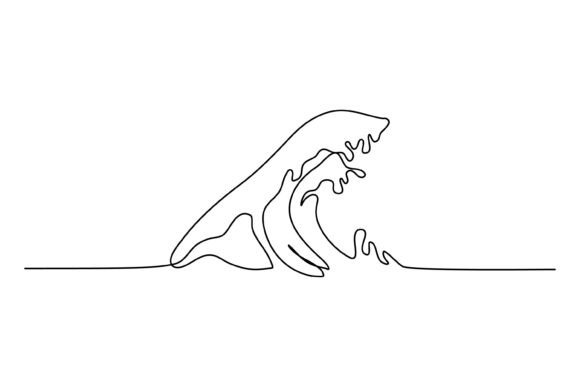
In the realm of digital design and print media, minimalism has evolved from a fleeting trend into a foundational aesthetic. Within this space, continuous line design offers a unique blend of artistic fluidity and technical precision. Specifically, the continuous line design of waves presents a compelling visual resource for creators who need to convey movement, calm, or organic flow without the visual clutter of complex illustrations. These single-line decorative elements, typically rendered on a clean white background, serve as versatile building blocks for a wide array of professional projects.
For professionals ranging from graphic designers and marketers to small business owners and educators, understanding the utility of these assets is crucial. This analysis explores the characteristics, practical applications, and technical specifications of wave-based continuous line art, helping you determine if it aligns with your current workflow and creative goals.
Understanding the Aesthetic and Technical Structure
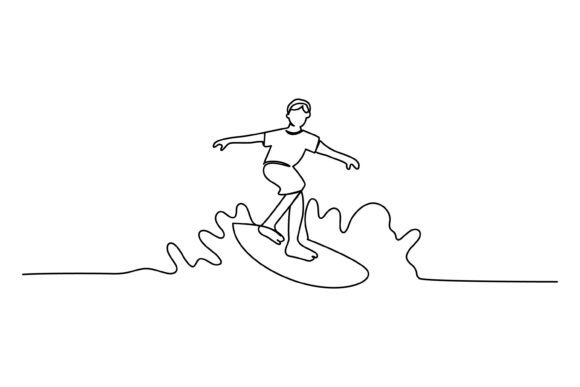
The core appeal of a continuous line design lies in its unbroken nature. Unlike traditional illustrations that may use shading, multiple strokes, or disconnected shapes, this style relies on a single, uninterrupted path. When applied to the motif of waves, the result is a rhythmic, flowing composition that mimics the natural motion of water. The absence of breaks in the line creates a sense of infinity and connectivity, which can subtly influence viewer perception by suggesting harmony and continuity.
From a technical standpoint, these designs are often vector-based. This distinction is critical for professional use. Vector graphics, such as those provided in EPS and SVG formats, use mathematical equations to define lines and curves rather than pixels. This means the image can be scaled infinitely—from a tiny icon on a mobile screen to a large-format banner for a trade show—without any loss of quality or resolution. The inclusion of JPG files alongside vector formats ensures compatibility with platforms that do not support vector editing, providing a comprehensive solution for diverse technical environments.
Key Characteristics and Design Strengths
When evaluating the quality of continuous line wave designs, several key characteristics stand out as significant strengths for practical application:
- Visual Clarity: The stark contrast of black lines on a white background ensures high readability. This makes the design effective even at smaller sizes or when viewed from a distance.
- Versatility: The neutral nature of abstract waves allows them to complement various color palettes and brand identities. They do not dominate the composition but rather enhance it.
- Emotional Resonance: Wave motifs are universally associated with calmness, depth, and rhythm. Using these elements can help establish a specific mood in branding materials, particularly for industries related to wellness, travel, finance, or technology.
- Editing Flexibility: Because the source files include EPS and SVG formats, users with design software can easily modify the stroke weight, color, or length of the line to fit specific layout requirements.
The reliability of these assets comes from their simplicity. Complex illustrations often require careful balancing with text and other graphical elements. In contrast, a single-line wave acts as a subtle divider, background texture, or accent that integrates seamlessly into existing layouts without demanding excessive design effort.
Practical Applications Across Industries
The usability of continuous line design of waves extends far beyond personal art projects. For entrepreneurs and marketers, these elements offer a cost-effective way to elevate brand materials. Consider a financial consultant creating a presentation deck. A subtle wave line can separate sections or frame key data points, adding a touch of sophistication without distracting from the numerical content. Similarly, a wellness blogger might use these designs as header images or social media post backgrounds to reinforce themes of mindfulness and flow.
Educators and publishers also benefit from this type of imagery. In textbooks or online courses, continuous line art can illustrate concepts related to physics, geography, or marine biology in a stylized, approachable manner. The simplicity of the design ensures that the educational content remains the focus, while the visual element adds engagement.
For web developers and UI/UX designers, SVG files are particularly valuable. They can be embedded directly into code, allowing for interactive animations where the line appears to draw itself across the screen. This dynamic capability enhances user experience on landing pages, making the site feel more modern and responsive.
Evaluating File Formats and Usability
The value of any digital asset is heavily dependent on the formats provided. A comprehensive package including EPS, SVG, and JPG addresses the needs of different user skill levels and software preferences.
EPS (Encapsulated PostScript): This format is ideal for professional printers and designers using Adobe Illustrator or similar vector-based software. It ensures that the design remains crisp for high-quality print outputs, such as business cards, brochures, or packaging.
SVG (Scalable Vector Graphics): As the standard for web design, SVGs are lightweight and scalable. They are perfect for digital-only applications, ensuring fast load times and sharp display on retina screens. Developers appreciate SVGs because they can be styled and animated using CSS and JavaScript.
JPG (Joint Photographic Experts Group): While not scalable, JPGs are universally compatible. They are suitable for quick insertion into word processors, PowerPoint presentations, or social media platforms where vector support is limited. Having a high-resolution JPG option saves time for users who do not have access to vector editing tools.
The consistency of these files is paramount. Users expect clean paths with no unnecessary anchor points or stray pixels. High-quality continuous line designs will have smooth curves and uniform stroke widths, reflecting a professional standard that enhances the credibility of the final project.
Who Benefits Most from These Assets?
While anyone with an eye for design can appreciate continuous line art, specific groups will find exceptional value in incorporating these wave elements into their work:
- Freelance Designers: Those managing multiple clients need efficient resources. Pre-made vector elements reduce production time, allowing designers to focus on strategy and customization rather than drawing basic shapes from scratch.
- Small Business Owners: Entrepreneurs often handle their own marketing. Accessible, high-quality graphics enable them to create professional-looking materials without hiring expensive agencies.
- Content Creators and Bloggers: Visual consistency is key to building a recognizable brand. Using a set of continuous line designs across blog headers, email newsletters, and social media posts creates a cohesive visual identity.
- Corporate Marketers: For internal communications or external campaigns, these designs offer a safe, professional aesthetic that aligns with corporate branding guidelines while adding a human, artistic touch.
Limitations and Considerations
Despite their versatility, continuous line designs are not a universal solution. Their minimalist nature means they may lack the impact needed for bold, high-energy campaigns that require vibrant colors or complex imagery. Additionally, because the style is popular, there is a risk of overuse. To maintain originality, creators should consider customizing the color, combining the wave elements with other graphics, or using them in unexpected contexts.
It is also important to note that working with vector files requires a certain level of technical proficiency. Users unfamiliar with software like Illustrator or Inkscape may find the EPS and SVG files less immediately useful than the JPGs. However, many online tools now offer basic SVG editing capabilities, lowering the barrier to entry for non-designers.
Final Thoughts on Long-Term Value
Investing in high-quality digital assets like the continuous line design of waves is a strategic decision for long-term brand development. Unlike trending graphics that may look dated within a year, minimalist line art possesses a timeless quality. Its simplicity ensures it remains relevant across changing design trends.
By providing multiple file formats, these assets offer flexibility that supports both immediate needs and future projects. Whether used for a one-time presentation or integrated into a comprehensive brand identity system, the continuous line wave design demonstrates how understated elegance can enhance communication. For professionals seeking to balance efficiency with aesthetic sophistication, this type of resource represents a practical and enduring addition to their creative toolkit.