Silhouette Garden Archway: A Guide to Vector Design Elements
In the realm of digital design and landscape architecture visualization, the Silhouette Garden Archway serves as a versatile and evocative graphic element. Whether utilized for wedding invitations, architectural mockups, or decorative print media, these black-and-white illustrations capture the essence of outdoor elegance. This article explores the utility, aesthetic value, and practical applications of silhouette garden archways, helping designers and hobbyists determine if this specific style aligns with their creative objectives.
Understanding the Silhouette Garden Archway
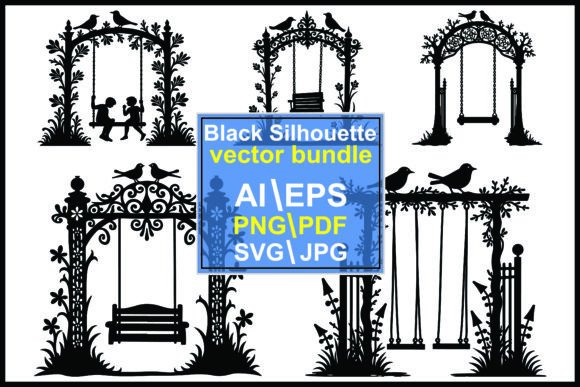
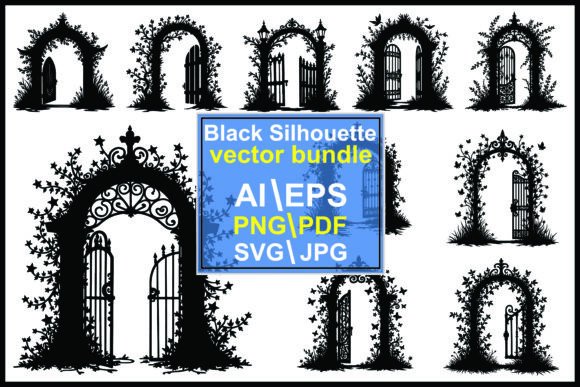
A silhouette garden archway is a high-contrast, two-dimensional representation of an ornamental entrance structure. Typically rendered in solid black against a white background, these designs strip away color and texture to focus on form, line, and shape. The subject matter often includes intricate details such as wrought iron filigree, climbing vines, leaves, flowers, and occasionally, birds perched on the structure. The inclusion of a gate or pathway enhances the sense of depth and invitation, creating a whimsical yet clean visual narrative.
The appeal of this design style lies in its simplicity. By removing the distraction of color, the viewer’s eye is drawn immediately to the ornate curves of the metalwork and the organic flow of the floral elements. This makes the silhouette an ideal "design element" for projects requiring a vintage or artistic touch without overwhelming the overall composition. The symmetrical nature of many archway designs further contributes to a sense of balance and order, which is highly valued in both graphic design and landscape planning.
Why Choose Silhouette Designs?
Designers and creators often turn to silhouette collections for several strategic reasons. First, the black and white format offers maximum compatibility. These graphics can be easily integrated into various color schemes without clashing, as they act as a neutral, grounding element. Second, the vector nature of high-quality silhouette files ensures scalability. Whether printed on a small business card or enlarged for a banner, the lines remain crisp and clean, avoiding the pixelation common in raster images.
Furthermore, the thematic versatility of the garden archway cannot be overstated. It evokes feelings of romance, nostalgia, and natural beauty. For wedding stationery, it suggests a classic, outdoor ceremony. For branding, it might imply growth, entry, or exclusivity. The presence of birds and foliage adds a layer of life and movement, transforming a static structure into a lively scene. This makes the silhouette not just a border or frame, but a storytelling device.
File Formats and Technical Considerations
When acquiring a silhouette vector bundle, understanding the file formats is crucial for effective usage. A comprehensive collection typically includes five distinct types of files, compressed into a single zip archive. Users will need software like WinZip, WinRAR, or built-in operating system tools to extract these files before use.
- AI (Adobe Illustrator): The native vector format, ideal for editing paths, nodes, and shapes within Adobe Illustrator. This is the best choice for designers who need to modify the archway’s structure.
- EPS (Encapsulated PostScript): A universal vector format compatible with most professional design software, including CorelDRAW and Inkscape. It ensures high-quality scaling for print production.
- SVG (Scalable Vector Graphics): Perfect for web design and digital applications. SVGs are lightweight and render sharply on screens of all resolutions.
- PNG (Portable Network Graphics): A raster format with transparency support. This is useful for quick drag-and-drop placement in programs that do not support vector editing, such as Microsoft Word or Canva.
- JPG (Joint Photographic Experts Group): A standard image format with a white background. While less flexible than PNG due to the lack of transparency, it is widely compatible for simple viewing or printing.
- PDF (Portable Document Format): Often used for viewing and printing proofs, though some PDFs may retain editable vector data depending on how they were saved.
The availability of these multiple formats ensures that the design element can be used across a wide spectrum of projects, from digital web banners to physical signage. However, users must be aware that while vector files (AI, EPS, SVG) allow for infinite resizing, raster files (JPG, PNG) have fixed resolutions. For large-format printing, always prioritize the vector formats to maintain the clean, sharp edges characteristic of high-quality silhouettes.
Practical Applications and Use Cases
The Silhouette Garden Archway is particularly well-suited for specific types of projects where atmosphere and elegance are paramount. Here are some scenarios where this design element shines:
- Wedding and Event Stationery: The romantic connotations of a garden gate adorned with flowers make it a staple for save-the-dates, invitations, and menu cards. The black silhouette provides a sophisticated contrast against pastel or white paper stocks.
- Landscape Architecture Presentations: Architects and designers can use these silhouettes to add context to site plans. They help visualize the scale and style of proposed entrances without the need for complex 3D rendering.
- Home Decor and Crafts: With the rise of cutting machines like Cricut and Silhouette Cameo, SVG files are in high demand. Crafters can cut these designs from vinyl, wood, or metal to create physical wall art, garden signs, or decorative panels.
- Branding for Nature-Oriented Businesses: Nurseries, florists, and botanical gardens can incorporate these archways into their logos or marketing materials to reinforce their connection to nature and growth.
In each of these cases, the ornamental and vintage qualities of the design enhance the perceived value of the final product. The intricate filigree and organic vines suggest attention to detail and a respect for tradition.
Tradeoffs and When to Consider Alternatives
While silhouette garden archways are powerful design tools, they are not suitable for every project. One significant tradeoff is the lack of color and depth. If a project requires a realistic depiction of a specific plant species or a particular metal finish, a silhouette will fail to convey that information. In such cases, a full-color photograph or a detailed 3D illustration would be more appropriate.
Additionally, the complexity of the design can pose challenges. Highly ornate silhouettes with fine filigree and small leaves may not reproduce well at very small sizes. The details can merge into a solid black blob, losing the artistic nuance. Designers should test the scalability of the chosen archway and consider simplifying the design if it needs to be viewed from a distance or at a reduced scale.
Another consideration is the stylistic fit. The whimsical and vintage aesthetic may clash with modern, minimalist, or industrial design themes. If a brand identity is built on sleek, geometric lines and bold colors, a flowing, organic garden archway might feel out of place. In these instances, a more abstract or geometric gateway design might better align with the overall visual strategy.
Making the Right Choice
Selecting the right Silhouette Garden Archway involves evaluating your project’s goals, medium, and audience. Ask yourself: Does the project benefit from a sense of nostalgia or romance? Is the design intended for print, web, or physical fabrication? Do you need the flexibility to edit the shapes, or is a static image sufficient?
If you require maximum flexibility and scalability, ensure you purchase a bundle that includes AI, EPS, and SVG files. If you are a casual user working in basic word processing or presentation software, the PNG and JPG formats may suffice. Always check the licensing terms to confirm that the designs can be used for your intended purpose, whether personal or commercial.
Ultimately, the silhouette garden archway is a timeless design element that bridges the gap between nature and structure. Its clean lines and decorative charm offer a straightforward way to add sophistication and visual interest to a wide array of creative projects. By understanding its strengths and limitations, you can effectively leverage this artistic tool to enhance your design work.