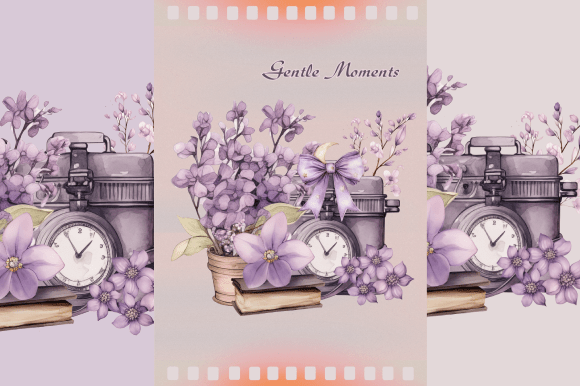
Lavender Vintage Aesthetic Card: Integrating Nostalgic Design into Modern Creative Workflows
In the landscape of digital design and print-on-demand production, visual consistency is not merely an aesthetic preference; it is a functional requirement for brand recognition and user engagement. The Lavender Vintage Aesthetic Card represents more than a single graphic asset. It serves as a foundational element for creators who need to evoke specific emotional responses through gentle, feminine visuals. By combining delicate purple florals, antique imagery, and soft gradients, this design offers a versatile template that fits seamlessly into various professional and personal workflows.
Understanding how to integrate such a specific aesthetic into broader projects requires a shift in perspective. Instead of viewing the card as a static image, consider it a modular component within a larger content strategy. Whether you are a small business owner curating social media feeds, a planner designing journaling pages, or a marketer creating invitation suites, the utility of this artwork lies in its adaptability. This article explores the practical implementation of the Lavender Vintage Aesthetic Card, focusing on preparation, compatibility, and long-term usage across different mediums.
Defining the Asset and Its Strategic Role
The core appeal of the Lavender Vintage Aesthetic Card is its ability to balance nostalgia with modern clarity. The composition features hand-painted flowers in soothing shades of lilac and violet, paired with a retro camera and classic books. These elements are not random; they are semantically linked to concepts of memory, learning, and preservation. For professionals, this means the asset carries inherent narrative weight. When used in a project, it immediately signals a tone of warmth, refinement, and sentimental value.
From a workflow perspective, this design functions as a "tone-setter." In the early stages of a creative project, selecting a primary visual anchor helps define the color palette, typography choices, and overall mood board. By adopting this lavender vintage style as your baseline, you reduce decision fatigue during the execution phase. The soft gradient background provides a neutral yet textured canvas that enhances readability for overlaid text, making it ideal for greeting cards, announcements, and digital planners where information hierarchy is crucial.
Pre-Production: Preparation and Compatibility Checks
Before integrating the Lavender Vintage Aesthetic Card into your final deliverables, proper preparation ensures high-quality outcomes. This phase involves assessing technical compatibility and aligning the asset with your project goals.
- Resolution and Format Verification: Ensure you have access to high-resolution files suitable for both print and digital use. For print-on-demand gifts or wall art, vector formats or high-DPI PNGs are essential to maintain the crispness of the floral details and the clarity of the antique camera illustration.
- Color Profile Alignment: The soothing shades of lilac and violet must remain consistent across devices. Calibrate your monitor and check CMYK values if printing physically. Soft gradients can sometimes band or shift if not managed correctly during the export process.
- Brand Cohesion Audit: Evaluate whether the romantic and feminine visuals align with your existing brand identity. If your brand relies on bold, high-contrast minimalism, this asset may require adaptation. However, for brands focused on wellness, literature, weddings, or heritage products, the fit is natural and immediate.
This preparatory step prevents costly revisions later in the process. By confirming that the aesthetic aligns with your strategic objectives, you ensure that the Lavender Vintage Aesthetic Card enhances rather than distracts from your message.
Integration Across Different Mediums
The versatility of this design allows it to function effectively in multiple contexts. Its balanced layout and calming colors make it suitable for a wide range of applications, from sentimental stationery to digital interfaces.
Print-On-Demand and Physical Products
For entrepreneurs and small business owners, the Lavender Vintage Aesthetic Card is an ideal centerpiece for product lines. The nostalgic yet elegant feel appeals to customers seeking meaningful keepsakes. Consider using the design for:
- Greeting Cards and Invitations: The space around the central imagery allows for customizable text. Use serif fonts to complement the vintage theme, ensuring that the typography does not overpower the delicate florals.
- Journaling and Scrapbooking Supplies: The inclusion of classic books and decorative elements resonates with hobbyists who value analog creativity. Print the design on sticker sheets, washi tape, or journal covers to create cohesive collections.
- Wall Art and Home Decor: The serene color palette makes the artwork suitable for framed prints in bedrooms, studies, or creative studios. The dreamy atmosphere contributes to a relaxing environment, adding value beyond mere decoration.
Digital Planning and Content Creation
In the digital realm, the asset supports productivity and engagement. Bloggers, educators, and marketers can utilize the Lavender Vintage Aesthetic Card to structure their content visually.
For digital planners, the design can serve as a monthly cover page or a section divider. The retro camera symbolizes cherished memories, making it particularly relevant for reflection pages or goal-setting spreads. In social media marketing, the image acts as a scroll-stopper due to its distinct color profile. Use it as a background for quote graphics, event announcements, or behind-the-scenes stories. The key is consistency; by repeatedly using this aesthetic, you train your audience to associate these visual cues with your brand’s voice.
Workflow Efficiency and Quality Control
Integrating a pre-designed aesthetic like this into your workflow improves efficiency. Instead of creating unique visuals for every piece of content, you establish a reusable framework. This approach supports scalable content production, allowing you to focus on messaging and distribution rather than constant design iteration.
However, efficiency should not compromise quality. Maintain strict quality control by adhering to the following practices:
- Limit Overlay Complexity: The strength of the Lavender Vintage Aesthetic Card lies in its detailed illustrations. Avoid cluttering the design with excessive text or competing graphics. Let the hand-painted flowers and antique objects breathe.
- Maintain Color Harmony: When adding additional elements, stick to the existing palette of lilac, violet, and soft neutrals. Introducing harsh contrasts or saturated colors can disrupt the calm and dreamy atmosphere.
- Test Across Platforms: Digital displays vary significantly. Preview your designs on mobile devices, tablets, and desktops to ensure the soft gradients render smoothly and the details remain visible.
Long-Term Value and Brand Building
Beyond individual projects, the consistent use of the Lavender Vintage Aesthetic Card contributes to long-term brand equity. For designers and creators, developing a signature style helps differentiate your work in a saturated market. The combination of soft florals, classical objects, and a serene color palette creates a recognizable visual language.
Over time, this aesthetic can become synonymous with your brand’s values—gentleness, nostalgia, and elegance. Customers begin to anticipate this visual experience, fostering loyalty and trust. Furthermore, the timeless nature of vintage design ensures that the asset remains relevant longer than trend-heavy alternatives. While fleeting trends may date your content quickly, the classic appeal of antique cameras and botanical illustrations endures.
Practical Implementation Tips for Creators
To maximize the impact of this design, consider these actionable steps for your next project:
Start with the Emotion: Identify the specific feeling you want to evoke. Is it comfort? Romance? Reflection? Use the Lavender Vintage Aesthetic Card to anchor that emotion. For example, in a wedding invitation suite, emphasize the romantic aspects by pairing the design with elegant script fonts. In a journaling app, highlight the reflective qualities by using the retro camera motif as a prompt for memory logging.
Layer Strategically: If you are customizing the design, use layering techniques to add depth. Place semi-transparent shapes behind text boxes to improve readability without obscuring the background art. This maintains the integrity of the original composition while enhancing functionality.
Gather Feedback Early: Before finalizing a large batch of printed materials or launching a digital campaign, share prototypes with a small segment of your audience. Ask specifically about the emotional response the design triggers. Does it feel warm and refined? Does it convey the intended nostalgia? Use this feedback to refine your implementation.
The Lavender Vintage Aesthetic Card is more than a decorative element; it is a strategic tool for communication. By understanding its components, preparing it correctly, and integrating it thoughtfully into your workflows, you can create cohesive, impactful, and emotionally resonant projects. Whether you are designing for print or digital, the key lies in respecting the delicate balance of the original artwork while adapting it to meet your specific functional needs.